
About Lovegobuy Spreadsheet
Click the images below to browse!
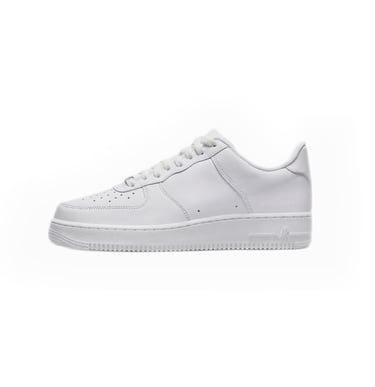
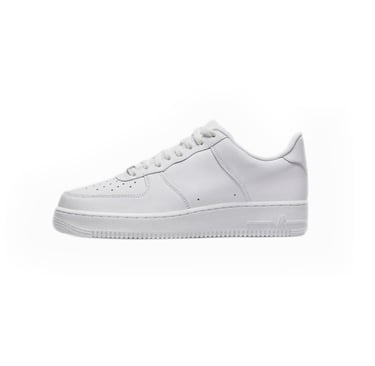
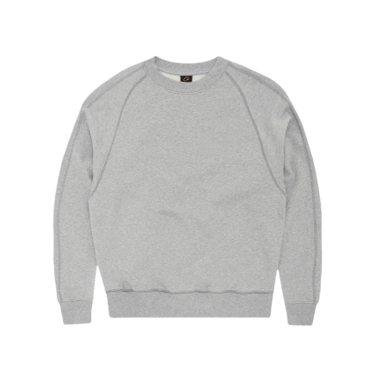
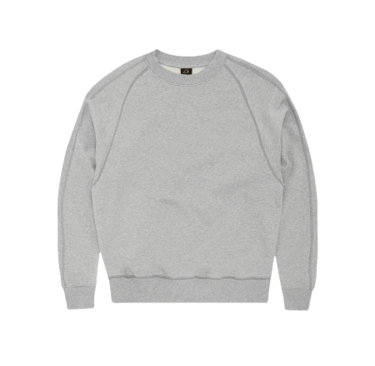


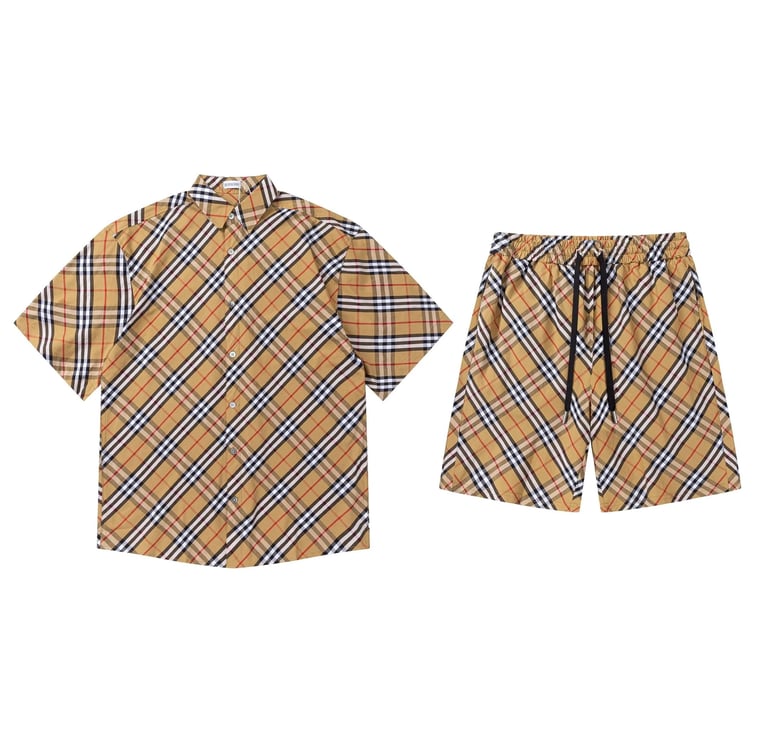
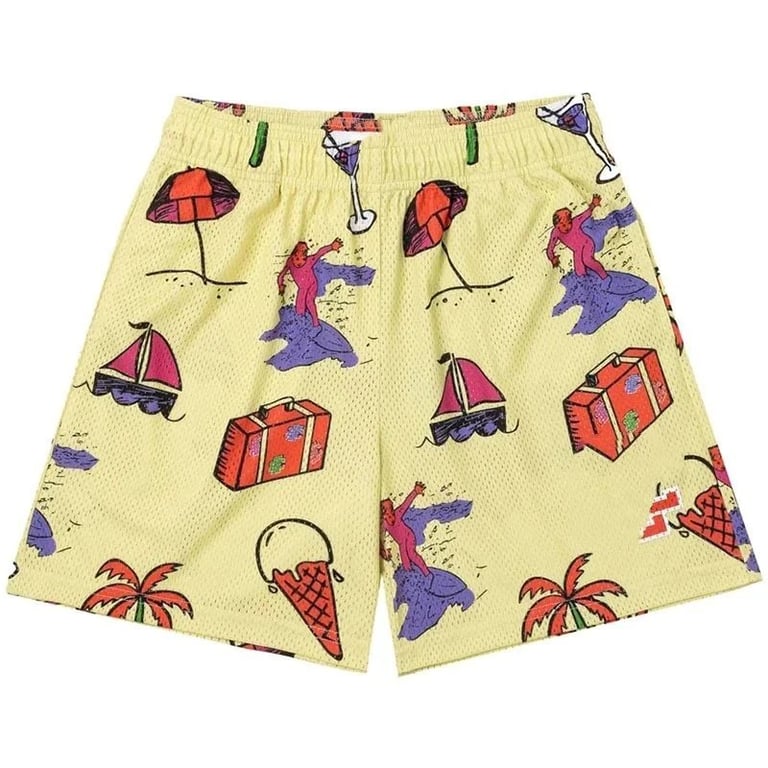
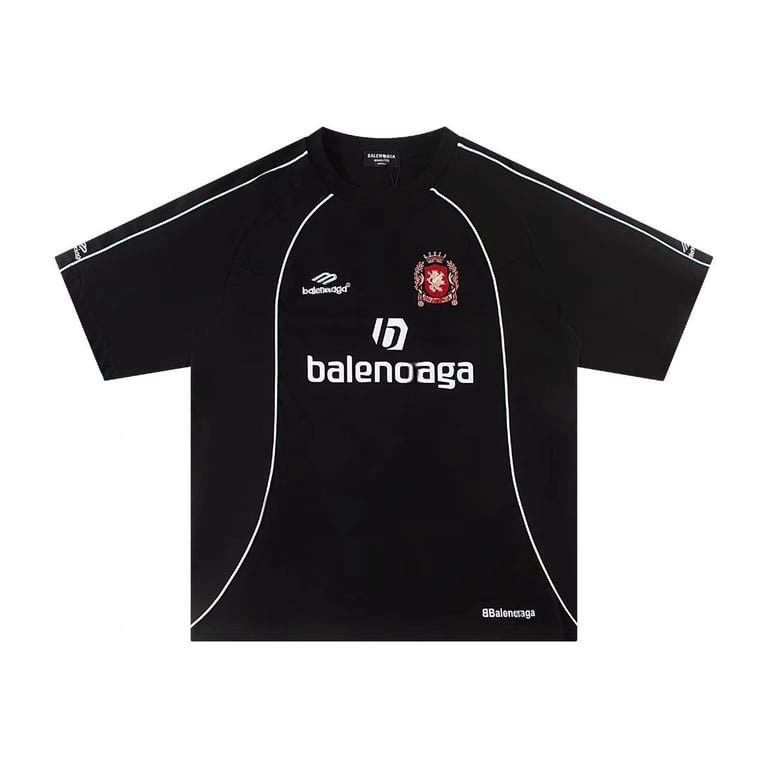
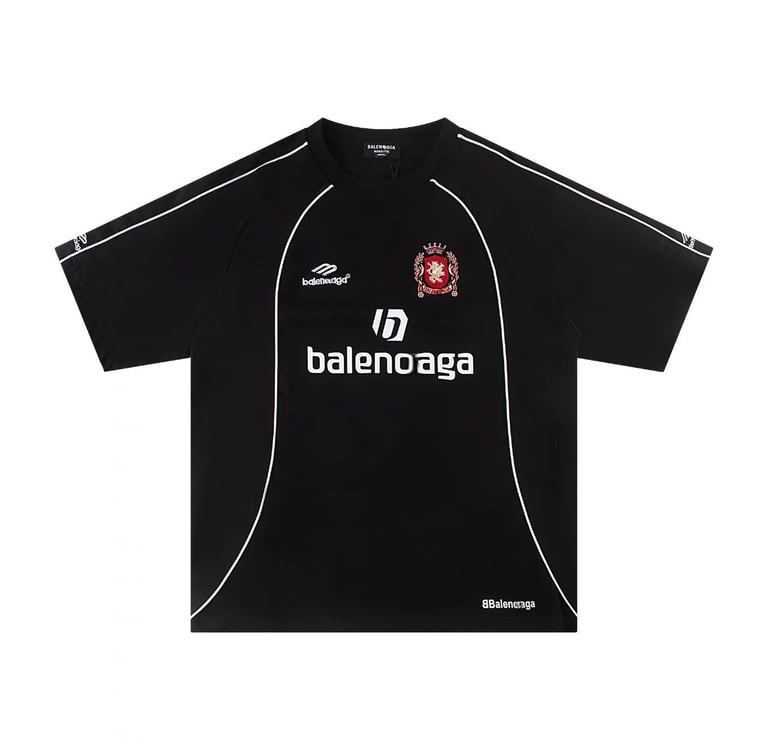



How Lovegobuy spreadsheet selects best-selling items from micro stores
In cross-border ecommerce, “best-selling items” are often misunderstood as the products with the highest visible sales or the most attention on a single platform. In micro-store ecosystems, however, this interpretation is unreliable. Sales signals are fragmented, listings are duplicated across sellers, and popularity can be artificially inflated through short-term promotions or reposting behavior.
The Lovegobuy spreadsheet addresses this problem by using a structured selection logic that focuses on consistency, verification, and cross-listing behavior rather than surface-level popularity. Instead of trusting isolated rankings, it evaluates how products behave across multiple micro stores to determine whether they are truly stable best-sellers.
1. Best-selling status is reconstructed from distribution patterns
Rather than relying on a single store’s performance, the system observes how widely a product is distributed across the ecosystem.
A product is more likely to be a strong seller when:
It appears in multiple independent micro stores
It is repeatedly listed with minimal variation in naming
It is reintroduced by different sellers within a short timeframe
It maintains consistent presence across product clusters
This distribution-based view reduces dependence on any single seller’s performance data.
2. Stability matters more than peak performance
Many products appear to be best-sellers due to temporary spikes. However, the Lovegobuy spreadsheet prioritizes stability over sudden peaks.
It evaluates:
Whether the product remains listed over time
Whether supplier activity is continuous rather than burst-like
Whether variations remain consistent across listings
Whether the product persists beyond short promotional cycles
A stable product presence across time is a stronger indicator of real demand than a temporary surge.
3. Cross-listing consistency reveals true demand strength
One of the strongest signals used in the system is cross-listing consistency.
When a product is genuinely performing well, different sellers tend to:
Offer similar versions of the same item
Maintain consistent core features across listings
Replicate product structures with minimal deviation
Align pricing ranges within a narrow band
This consistency suggests that demand is strong enough to influence multiple independent sellers simultaneously.
4. Filtering out artificially inflated popularity
Not all frequently appearing products are real best-sellers. Some products gain visibility due to:
Short-term promotional pushes
Duplicate reposting by the same supply chain
Temporary clearance activity
Algorithm-driven listing exposure rather than real demand
The Lovegobuy spreadsheet filters these by identifying whether repetition is organic or artificially concentrated.
If repetition does not spread across independent sources, it is not treated as a reliable signal.
5. Product validation through structural comparison
Instead of treating each listing independently, the system compares product structure across suppliers.
It examines:
Whether the product design remains consistent
Whether variations (such as sizes or bundles) are logically aligned
Whether product descriptions reflect the same functional purpose
Whether pricing differences remain within a predictable range
When structural consistency is high across multiple listings, the product is more likely to be a genuine best-seller rather than an isolated listing anomaly.
6. Identifying demand persistence rather than momentary attention
A key distinction in the system is between attention and demand persistence.
Attention-based products show:
Sudden visibility increase
Short-lived listing spikes
Rapid disappearance after promotion cycles
Demand-persistent products show:
Continuous reappearance across suppliers
Stable presence across multiple categories
Gradual but sustained listing growth
The Lovegobuy spreadsheet prioritizes the second category, as it reflects real market adoption rather than temporary interest.
7. Micro-store ecosystem behavior as a ranking substitute
Instead of relying on explicit ranking systems, the spreadsheet uses ecosystem behavior as an implicit ranking model.
Products gain stronger positioning when:
More suppliers independently list them
Related items appear within the same category cluster
Variants expand without losing structural consistency
Competing sellers reinforce rather than replace the product presence
This creates a decentralized ranking system based on supply behavior rather than platform scoring.
8. Verification layer through Lovegobuy links
After identifying potential best-selling candidates, validation is required to confirm real-world accuracy.
Through Lovegobuy links, users can:
Access original micro-store product pages directly
Verify current availability and pricing consistency
Compare multiple supplier versions of the same product
Confirm whether listings reflect active supply or outdated duplication
This ensures that selection decisions are grounded in real-time market conditions rather than static spreadsheet data.
Conclusion
The Lovegobuy spreadsheet selects best-selling items by reconstructing demand signals from distribution behavior, structural consistency, and cross-supplier repetition rather than relying on isolated sales indicators. It distinguishes real market demand from temporary visibility spikes by focusing on stability and ecosystem-wide alignment.
Combined with Lovegobuy links, the system moves from analytical selection to real-world verification, ensuring that identified best-selling products are both structurally validated and actively available in micro-store environments.